Step-by-Step Guide: How to Set Up an OpenSea Account and Start Collecting Ethereum NFTs
The landscape of digital ownership has shifted from a speculative novelty into a robust ecosystem of creator economies, digital provenance, and community-driven art. Whether you are looking to support independent digital artists, secure access passes to exclusive creator networks, or curate a portfolio of groundbreaking generative art, stepping into the world of non-fungible tokens (NFTs) starts with a solid foundation. This comprehensive guide walks you through setting up your first secure OpenSea account, acquiring Ethereum, and safely navigating the world's largest peer-to-peer digital marketplace.
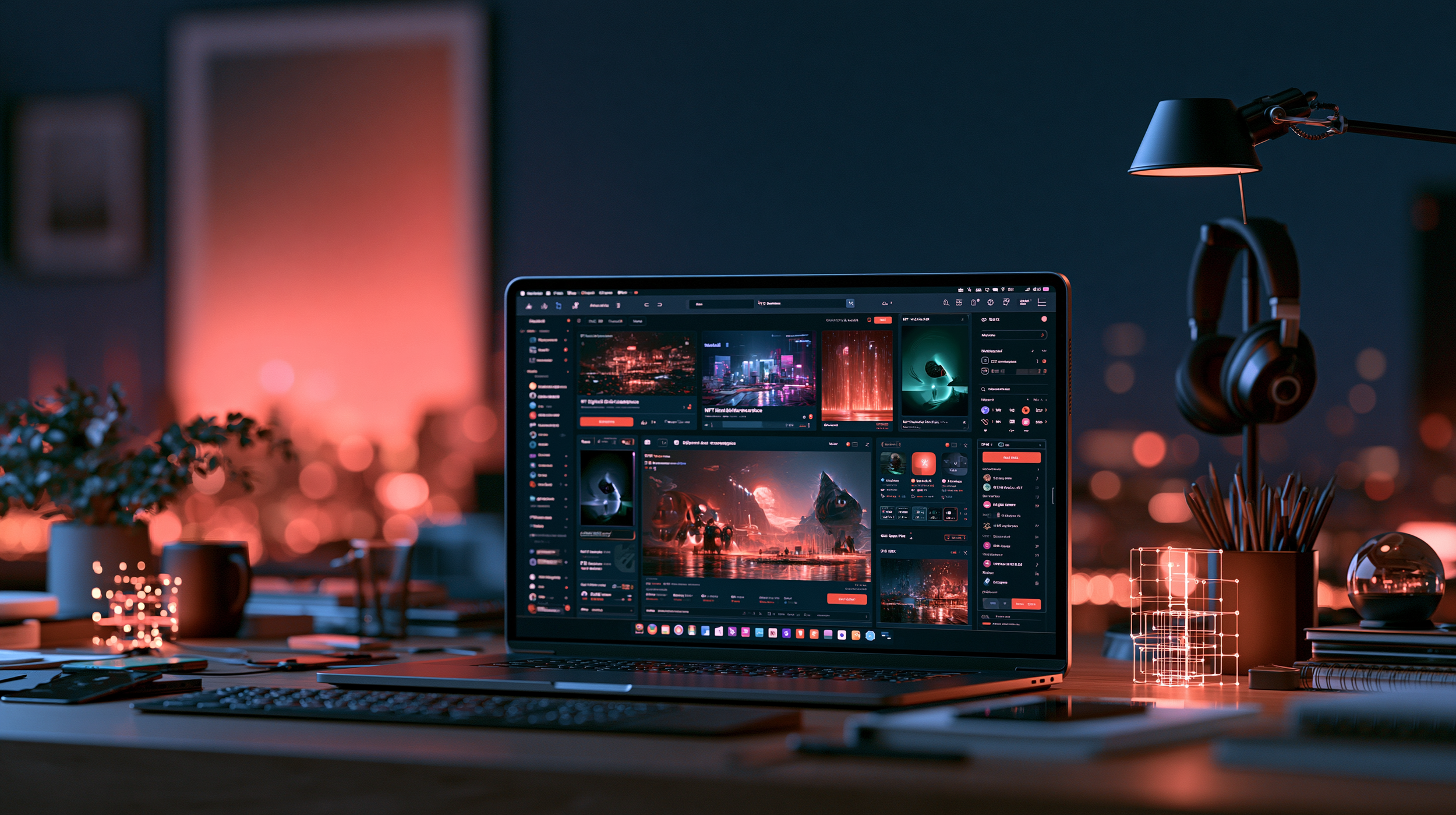 Equipping your digital workstation for web3 navigation and secure asset collection.
1. The Foundation: Setting Up Your Web3 Crypto Wallet
Before you can interact with OpenSea or hold any digital collectibles, you need a digital vehicle that you fully control. Unlike traditional e-commerce platforms where you create an account with a username and password linked to a centralized database, Web3 platforms authenticate your identity through a cryptographic wallet.
Your wallet acts as your digital keychain and bank account combined. For Ethereum-based assets, the industry standard for desktop and mobile browsers is MetaMask, though alternatives like Coinbase Wallet are also widely supported.
Install the Extension
Visit the official MetaMask website or your browser's extension store. Ensure you download the verified extension to avoid malicious phishing lookalikes.
Secure Your Seed Phrase
Your 12-to-24-word secret recovery phrase is the master key to your funds. Write it down physically on paper. Never store it in a screenshot or cloud note.
Fund Password Protection
Set a robust local password for daily browser access. Remember that neither OpenSea nor wallet providers can reset your seed phrase if lost.
2. Funding Your Wallet with Ethereum (ETH)
OpenSea operates primarily on the Ethereum blockchain, meaning transactions require Ethereum (ETH) to cover both the cost of digital items and network processing fees, commonly known as gas fees.
 Establishing secure cryptographic parameters for your digital assets.
To acquire ETH, you will need to purchase it through a regulated centralized exchange (such as Coinbase, Kraken, or Binance) using fiat currency via a bank transfer or debit card. Once purchased, you can withdraw the ETH directly to your MetaMask wallet public address (which starts with 0x...).
Pro-Tip on Gas Fees: Network congestion fluctuates throughout the day. Ethereum gas fees are typically lower during weekends or late-night UTC hours. Always keep a small buffer of ETH (around 0.01 to 0.02 ETH) unspent in your wallet to cover future transaction approvals and transfers.
3. Connecting Your Wallet to OpenSea
With your wallet installed and funded, head over to the official OpenSea platform. Because OpenSea is a decentralized marketplace layer, you don't "register" with an email form; instead, you connect your wallet.
- Click the profile or wallet icon in the top right corner of the OpenSea homepage.
- Select your wallet provider (e.g., MetaMask).
- A prompt will pop up in your browser extension asking you to sign a connection request. Note: Connecting your wallet to OpenSea is completely free and requires zero gas fees. It simply proves that you own the private keys to your wallet address.
Once connected, navigate to your profile settings to customize your public persona. Add a unique username, a bio detailing your collection interests, your social media links, and a profile banner that matches your aesthetic.
4. Navigating the Marketplace and Evaluating Collections
With your account fully optimized, you are ready to explore. However, entering an open marketplace without a strategy can be overwhelming. Learning how to read collection metrics is essential for separating authentic, high-caliber artistic projects from low-effort replicas or scams.
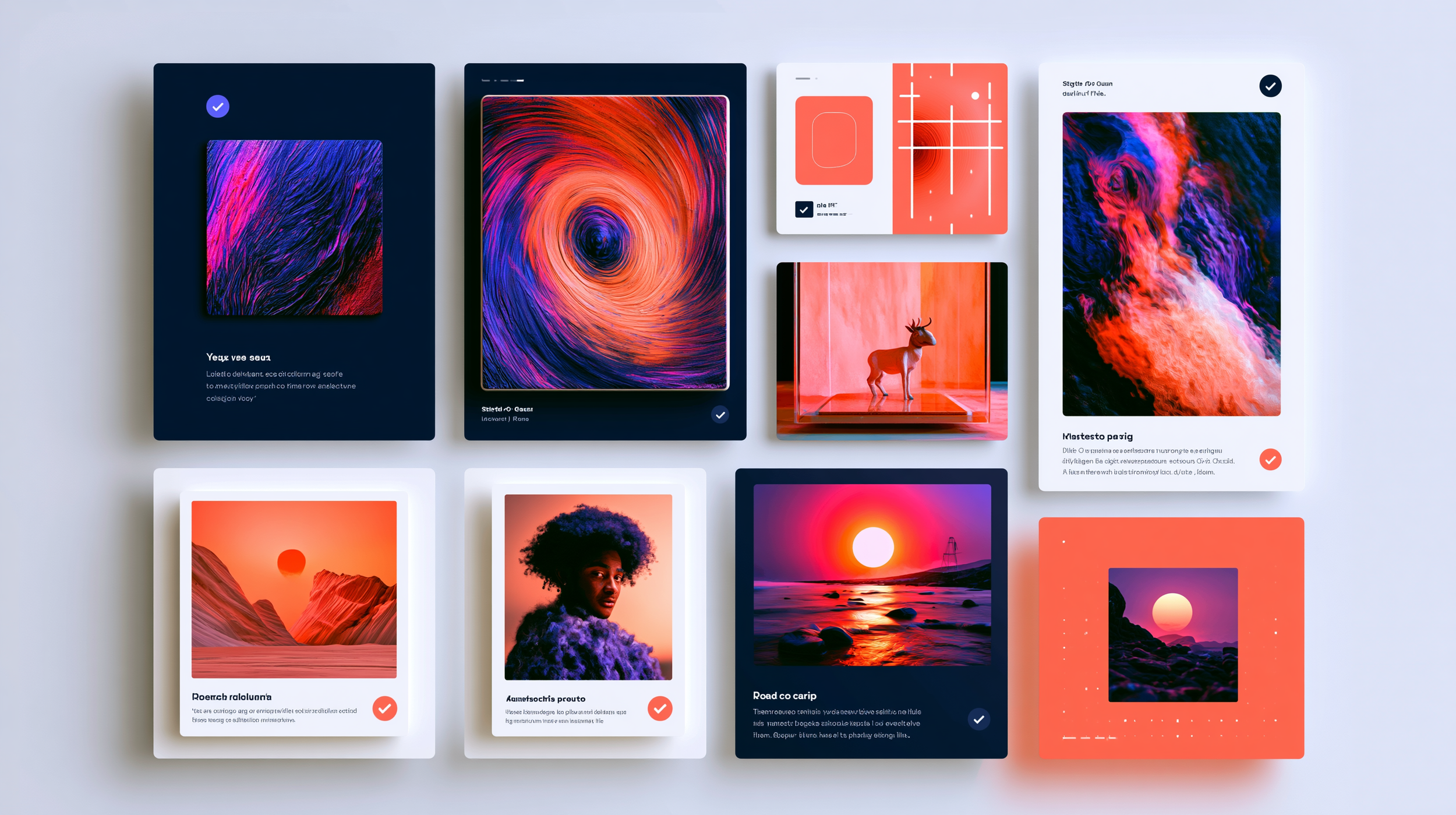 Analyzing collection analytics, floor pricing, and verified creator badges.
When reviewing any collection on OpenSea, pay close attention to these vital indicators:
Floor Price
The lowest price for which an item in that specific collection can currently be purchased on the secondary market.
Trading Volume
The total amount of ETH traded across the collection, indicating overall market liquidity and ongoing interest.
Verified Blue Check
Always verify collections against official creator social channels. Scammers frequently duplicate collection names and artwork.
5. Making Your First Purchase: Fixed Price vs. Bidding
When you find an item you want to collect, you generally have two primary methods of acquisition depending on how the seller has listed it:
- Fixed-Price Listings: The most straightforward approach. The item has a set tag price in ETH (or USD equivalent). Clicking "Buy Now" will trigger a two-step process in your wallet: first, a one-time token approval (if it's your first time buying that specific token contract), and second, the actual purchase transaction.
- Placing Offers: If an item is not listed for sale or you want to negotiate, you can place an offer using Wrapped Ether (WETH). The seller can then accept your bid at their discretion.
After your transaction confirms on the blockchain, the NFT will instantly transfer out of the seller's escrow contract and appear directly inside your OpenSea profile under the "Collected" tab.
Conclusion & Best Practices for Safe Collecting
Entering the world of Ethereum NFTs opens up incredible avenues for supporting digital creators and owning unique pieces of internet culture. However, the decentralized nature of Web3 places complete security responsibility squarely in your hands.
Always double-check URL addresses before connecting your wallet, never interact with unsolicited token drops sent to your wallet by unknown contracts, and treat your seed phrase like physical gold bars. By combining creative curiosity with rigorous security habits, your journey through digital outposts will be both rewarding and secure.
Share this article
Found this useful? Share it with someone else.